
Two routes to one number
Every new character in Retail Midnight starts with the same question, even when nobody says it aloud: which activity moves the level bar fastest per evening? Two answers dominate the discussion. One camp swears by walking from quest hub to quest hub, the other by sitting in a dungeon queue and letting the group finder do the travelling.
Both camps are partly right, which is why the argument never ends. Treating it as a measurement problem helps more than treating it as a matter of taste. Players who would rather hand the whole stretch to someone else sometimes look at WoW Power Leveling as a third route, and that option makes the most sense once the first two have been weighed on their own terms.
What follows compares the two main methods along the axes that matter to a leveler in the current era: pace, consistency, friction, side benefits and fit with a real schedule. No method wins on every axis, and the interesting part is where each one loses. It also looks at where wow power leveling help sits as a third option beside questing and queues.
The quest hub route
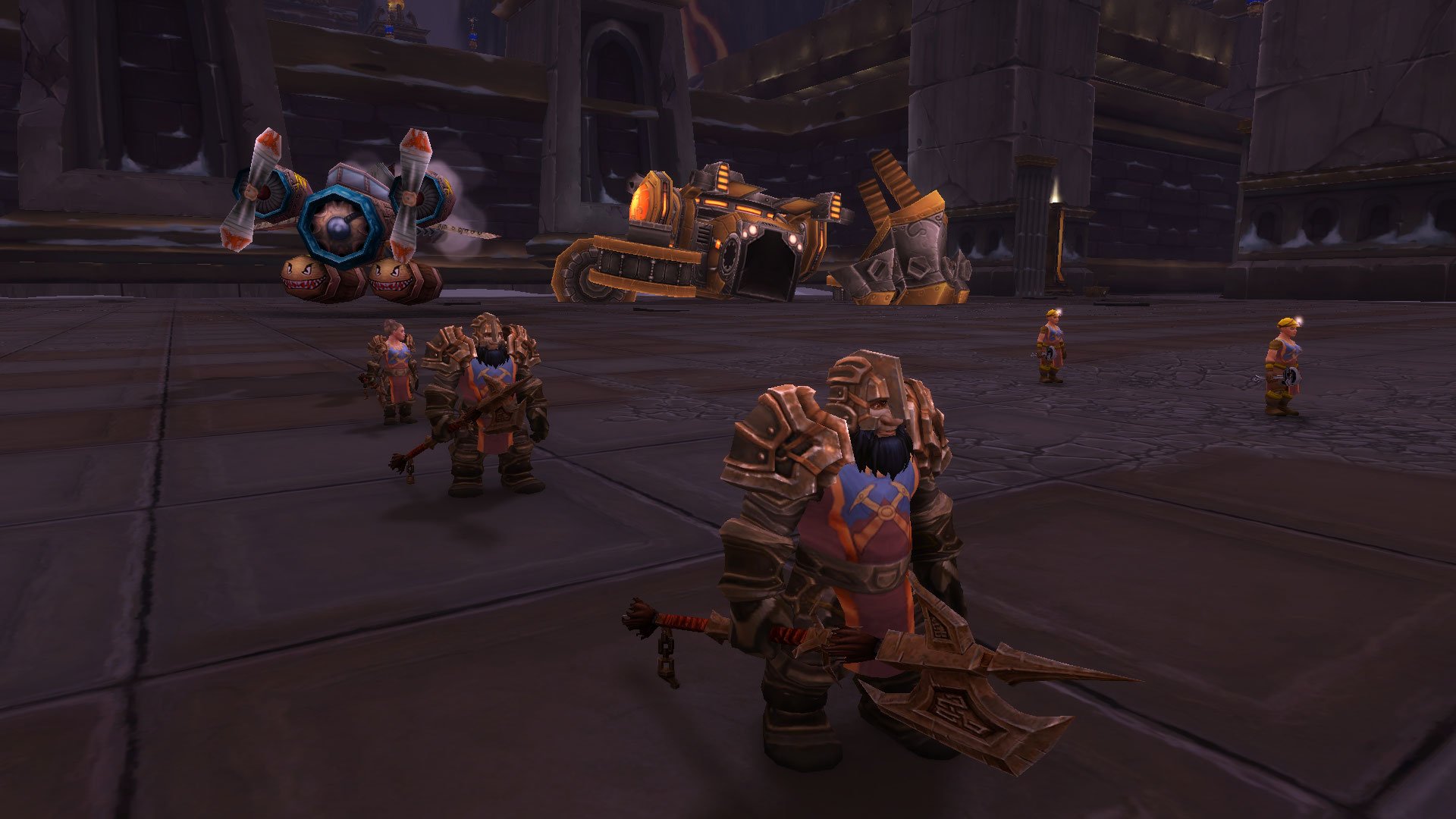
A quest hub is a small cluster of givers, objectives and rewards sitting close together. The design intent is obvious: accept several tasks at once, finish them in a loop, hand them in, collect the experience in one burst, and move on to the next cluster. Done well, it feels efficient because very little time is spent walking in a straight line toward nothing.
Why overlap matters in a hub
Pace in a hub comes from overlap. Three objectives that share one patch of ground cost a fraction of the effort of three objectives scattered across a zone. A leveler who reads the quest log before leaving town, and who groups the entries by location, gains more than one who simply follows the nearest glowing marker.
The reward structure matters too. Hub quests tend to grant a chunk of experience on hand-in, along with gear upgrades, reputation and the occasional new ability or profession hook. Those extras are easy to overlook when staring at a bar, yet they make a character stronger for the next fight.
Where the pace leaks
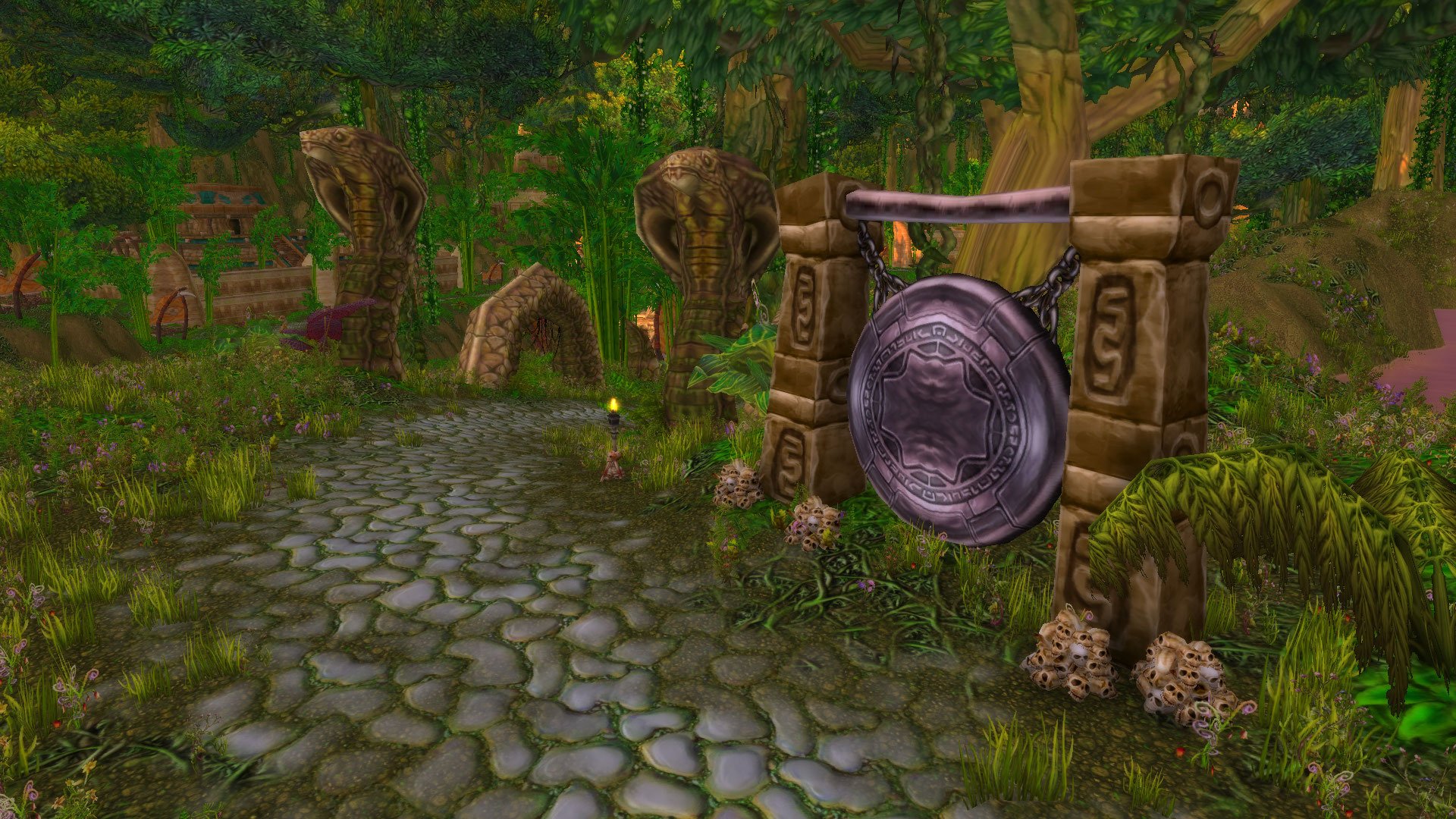
The leaks are travel, competition and clutter. Travel is the slowest part of any long zone chain. Competition shows up when many players share the same area and the same spawns, so objectives take longer to complete. Clutter is the bag management, vendor trips and repair stops that eat a few minutes at a time and add up over an evening.
Quest chains also have a hidden weakness: they are written as stories. A story is pleasant to read once, but a leveler on a fourth alt may find that the dialogue slows the loop. Skipping text is fine, though the player then gives up part of what the zone was built to offer.
The dungeon queue route
A queue replaces travel with waiting. The player joins as a tank, healer or damage dealer, accepts the invitation and is dropped into an instance with four others. The run itself is dense: monsters come in packs, bosses reward bonus experience, and the level bar tends to jump after a clean clear.
Why runs feel dense
Density is the main strength. Inside an instance almost every second is spent fighting, and a group that pulls steadily can finish a full run in a predictable window. Gear drops arrive at a healthy rate as well, so a character leaving the queue is often better equipped than one arriving from the open world.
Role also changes the numbers. A tank or healer usually sees a shorter wait than a damage dealer, because groups need fewer of the former. A leveler who is comfortable with a support role can turn that scarcity into extra runs per hour, while a damage dealer may spend part of the evening watching a timer.
Where runs stall
Variance is the cost of the format. A good group clears quickly, a poor one stalls on the first boss, and a single member who leaves can reset the pace. Dungeons also reach a point where the content outgrows the character, and the player must return to the open world to keep the bar moving at a sensible speed.
There is a learning curve as well. Players new to the role may feel pressure to keep up, and a group of strangers does not always forgive mistakes. That pressure is part of the social side of the game, but it can make the queue feel slower than the numbers suggest.
Scoring hubs against queues
Quest hubs reward planning and punish wandering. Queues reward role flexibility and punish bad luck. Neither is a universal winner, which explains why experienced levelers mix them: hubs while a zone is fresh and uncrowded, queues when the world feels empty or when the character needs gear.
- Consistency: hubs are steady, queues swing between excellent and mediocre.
- Friction: hubs involve travel and clutter, queues involve waiting and group dynamics.
- Side benefits: hubs give story, reputation and profession nodes; queues give gear, practice and contacts.
- Schedule fit: hubs can be paused at any moment, queues are awkward to leave once a run has started.
The schedule point deserves emphasis. A player with a free hour and a chance of interruption should lean toward hubs, since a quest can be abandoned mid-way without hurting anyone. A player with a solid evening block and a stable connection gains more from a queue, because an uninterrupted run is where the format shines.
The fastest method is usually the one a player can sustain without growing bored or frustrated.
That sentence sounds like a platitude, yet it is the most reliable finding in any comparison of leveling styles. A theoretical optimum that the player abandons after two evenings is slower than a modest routine followed for two weeks.
Habits that sharpen both routes
Before comparing methods, it helps to remove the avoidable drag. A few habits improve both routes at once, and they cost nothing but attention.
- Clear the bags before leaving town, so a good drop is never refused for lack of space.
- Pick a profession pair that supports the character and gather along the way, instead of detouring for nodes later.
- Keep a few consumables in reserve for harder encounters, so one stubborn pack does not force a long retreat.
- Check the quest log for objectives that share a location and finish them in one pass.
Gold works as an in-game resource here, too. Spending it on bags, gear upgrades or a mount early in the climb saves minutes on every later evening, and the saved minutes outweigh the pleasure of hoarding.
When outside help enters the comparison
Some players look at both routes and decide that neither suits the life they have. Work, study or family can leave only scattered hours, and a fourth leveling pass through the same zones holds little appeal. For those players, getting help with the leveling stretch is an option worth weighing next to the two methods above, in the same way one might weigh hiring help for any other repetitive chore.
The reasoning is practical rather than moral. The aim for many is to arrive at the level cap of 90 with time left over for what the game becomes afterwards: Mythic+ keys with friends, raid nights, and the long hunt for gear. A player who reaches that point rested, with the social groundwork in place, often has a better first month than one who arrived exhausted.
Anyone considering this should treat it like any other plan. Decide which parts of the climb are enjoyable and which are a chore, keep the enjoyable parts for yourself, and be clear about what the end goal is. Players who enjoy zone stories may want to quest through at least one region personally, then look for help only with the repetitive remainder. Looked at this way, wow power leveling is a scheduling choice like any other.
Verdict on the level bar
If a single recommendation has to come out of this comparison, it is a mixed approach with a bias. Start each new zone with its hubs, because the first pass through fresh content is the best-paced stretch in the game. Switch to queues whenever gear lags or the zone empties. Pause the experiment now and then and check how the evening actually went: levels gained, items upgraded, enjoyment kept.
The level bar is only a proxy for readiness. A character that reaches 90 with decent gear, a working profession and a few friends on the list is better prepared for Midnight end-game than one that reached it a day sooner with none of those. Measured that way, the faster route is rarely the one that looks fastest on a progress bar.