
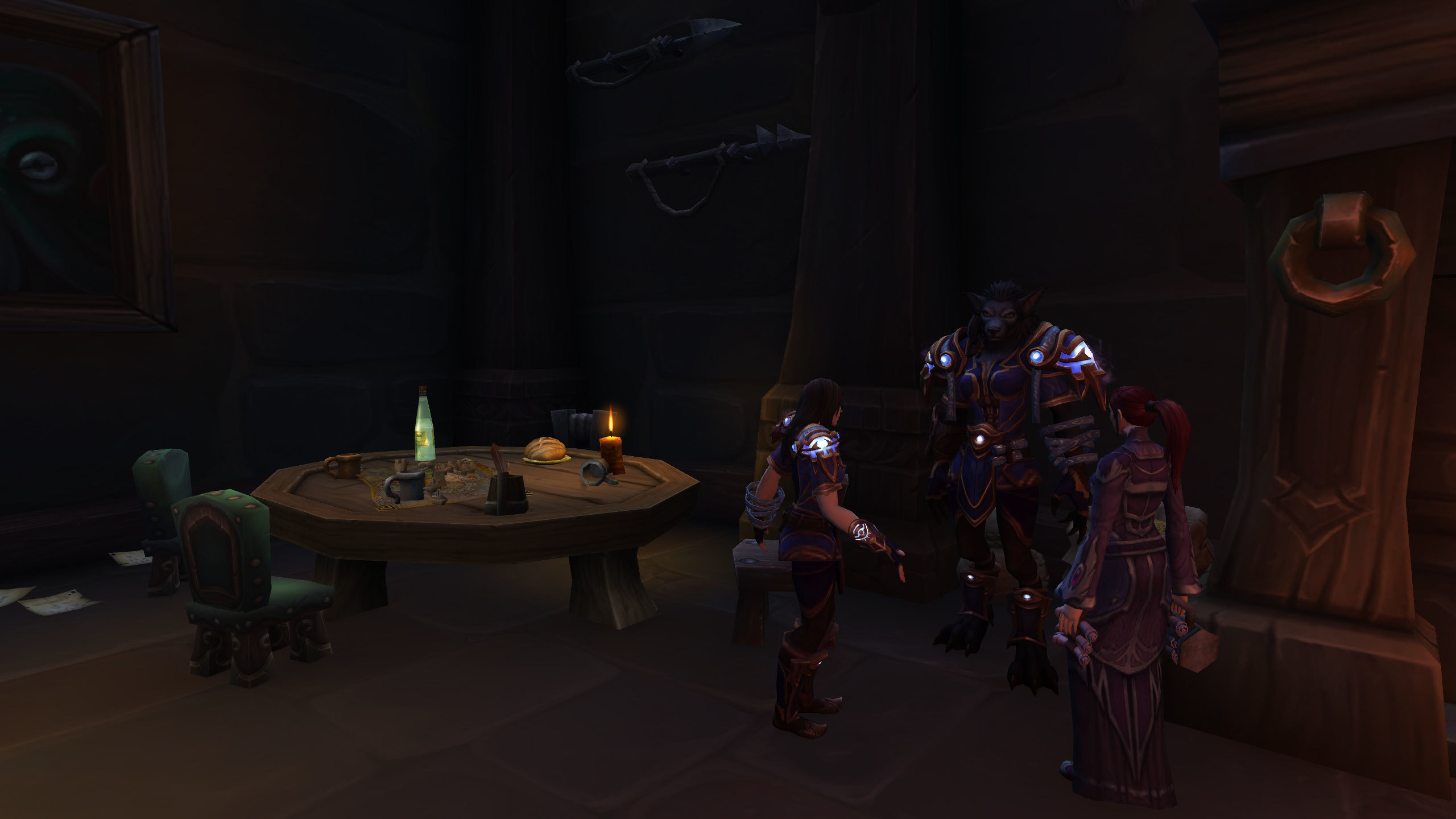
Hidden deep within Tanaris lies one of Warcraft’s most fascinating locations—the Caverns of Time. Beyond their shifting sands and echoing halls, these portals serve as gateways to the past, letting players relive defining moments of Azeroth’s history. From the opening of the Dark Portal to the fall of the Lich King, the Caverns of Time act as both museum and battlefield, preserving the threads that bind the timeline together.
This article explores how the Caverns of Time turn history into adventure, allowing players to not just witness—but shape—the legends that define Warcraft’s world.
The Concept of Temporal Storytelling
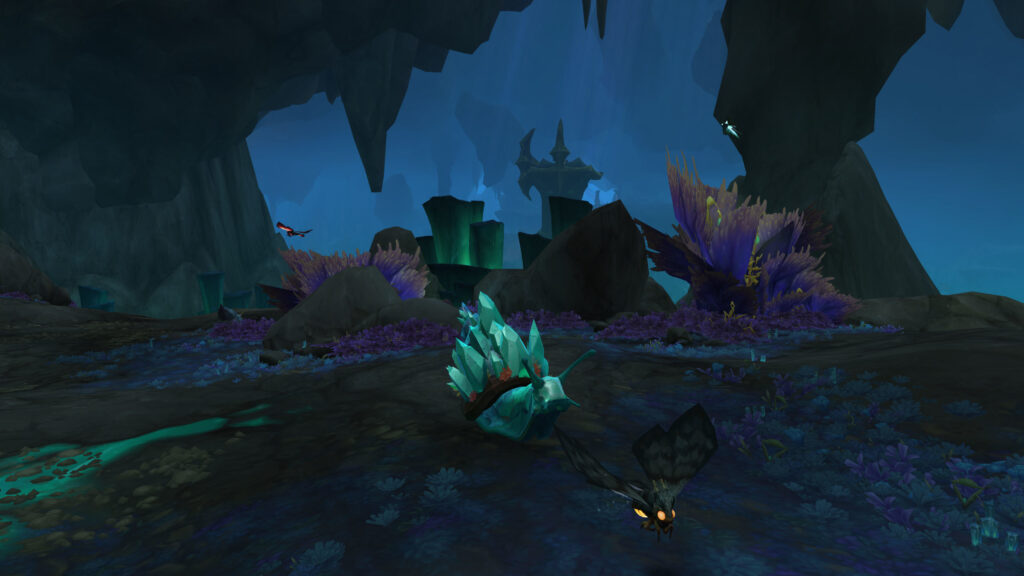
The Caverns of Time are more than dungeons—they are time machines for storytelling. First introduced in The Burning Crusade, they gave players the chance to experience events they had only heard about in lore. Rather than inventing new worlds, Blizzard opened old ones. This design bridged nostalgia and narrative depth, letting players walk through history while preserving its integrity. Time itself became a gameplay mechanic—and history became the setting.
To travel through time in WoW is to see history as a living thing.
Guardians of the Timeline
At the heart of the Caverns stands the Bronze Dragonflight, led by Nozdormu the Timeless One. Tasked with protecting the true flow of time, the Bronze Dragons fight against temporal corruption from the Infinite Dragonflight. This eternal conflict embodies the philosophical tension between destiny and free will. The Caverns are not just places—they’re battlegrounds of causality, where every event risks unraveling the world itself.
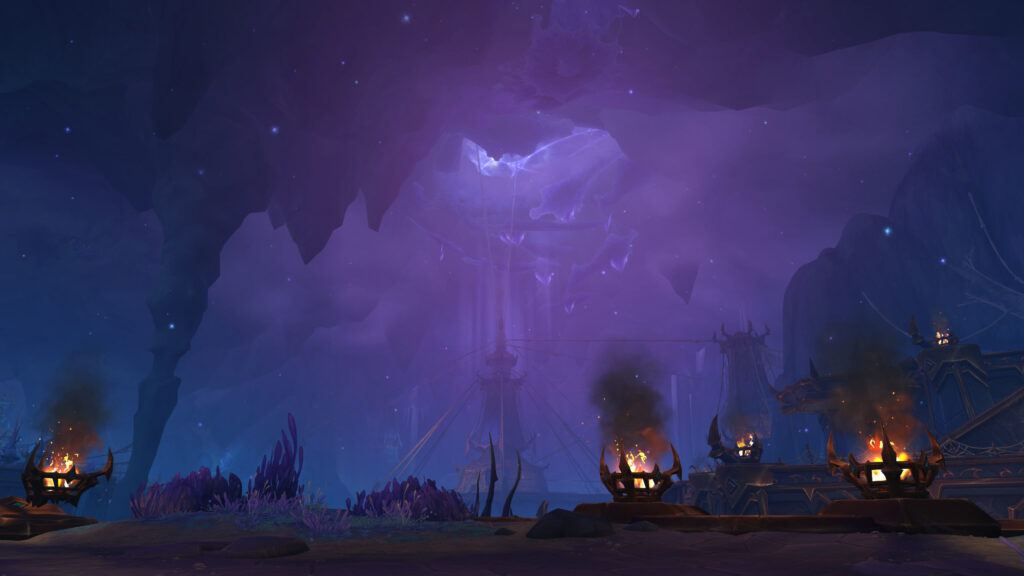
Within their sands, even heroes can become anomalies.
Classic Histories Made Playable
Through the Caverns, players have stepped into some of the most iconic events in Warcraft history. The Black Morass dungeon recreated the opening of the Dark Portal, while Old Hillsbrad Foothills let players escort a young Thrall to freedom. These weren’t mere retellings—they were acts of preservation. Players became historians and participants simultaneously, ensuring the timeline remained intact even as they relived it.
Every victory was both a safeguard and a story retold.
| Instance | Historical Event | Expansion | Key Theme |
|---|---|---|---|
| Old Hillsbrad Foothills | Thrall’s escape from Durnholde | The Burning Crusade | Freedom and destiny |
| The Black Morass | Opening of the Dark Portal | The Burning Crusade | Creation of connection and chaos |
| Battle for Mount Hyjal | Final stand against Archimonde | The Burning Crusade | Sacrifice and unity |
| Culling of Stratholme | Arthas’s purge of the city | Wrath of the Lich King | Tragedy and inevitability |
| End Time | Vision of a ruined Azeroth | Cataclysm | Cycle of fate and despair |
The Infinite Threat
The Infinite Dragonflight adds philosophical weight to the Caverns’ stories. Their attempts to rewrite history pose the ultimate “what if” question: what if the horrors of the past could be undone? Yet the Bronze Dragons know that even mercy can destroy the world. This moral tension transforms every dungeon into an ethical dilemma. By defending history, players protect not perfection—but consequence itself.
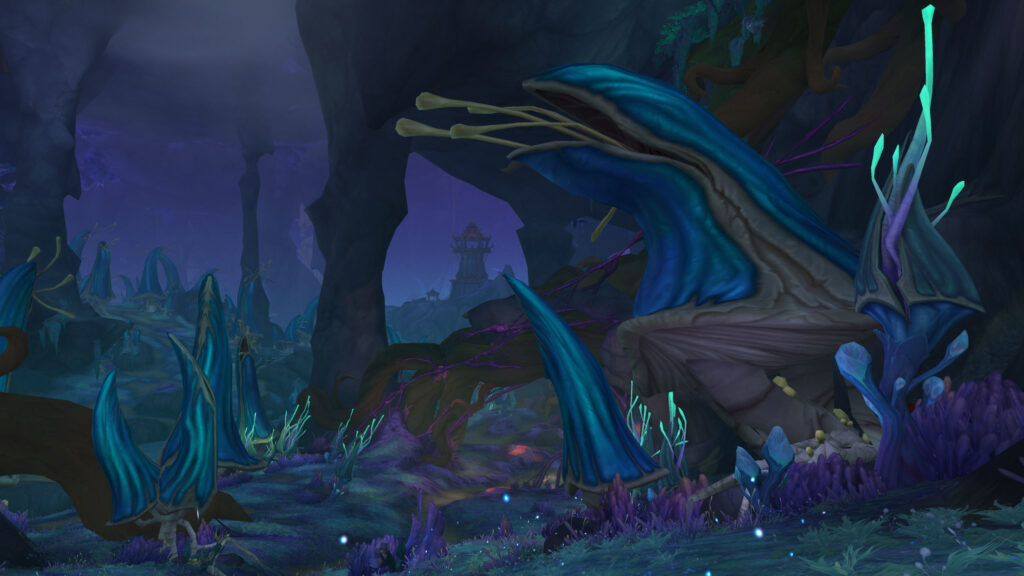
The Caverns remind us that even time has its price.
The War Within and New Horizons
Recent whispers suggest that The War Within may expand on the Caverns’ concept, exploring forgotten moments beneath Azeroth’s crust and the Titans’ manipulation of time. These new stories promise to blur the boundary between memory and present action. If the Caverns taught players to preserve history, the future may ask them to rewrite it—for better or worse. Timewalking dungeons, Infinite invasions, and story echoes all stem from this single design: time as narrative freedom.
History, after all, is only as stable as the heroes who guard it.
Why Time Travel Works in Warcraft
Unlike many franchises, Warcraft uses time travel not as spectacle, but as reflection. The Caverns of Time invite players to question the cost of intervention. They connect nostalgia to new storytelling while maintaining continuity. Each visit reinforces the emotional bond between player and world, showing that past events still matter—not just as lore, but as living memory. In a way, every player who enters the Caverns becomes part of Azeroth’s preservation effort.
To explore time is to honor the story that made you.
Conclusion
The Caverns of Time are more than dungeons—they are the memory of Azeroth made real. Through them, players experience history not as observers but as participants, shaping destiny with every battle. They remind us that even in a world defined by forward motion, the past remains sacred. Each portal, each echo, is a love letter to Warcraft’s legacy—and a promise that no story, no matter how old, is ever truly forgotten.
Because in Azeroth, time doesn’t erase legends—it lets us live them again.
Home