

Azeroth contains diverse ecosystems supporting incredible creature variety. From deep oceans to floating mountains, each zone hosts unique wildlife. This exploration examines WoW’s natural history.

Ecosystem Diversity
Azeroth’s continents support every climate type imaginable. Tropical jungles, frozen wastes, and barren deserts all host adapted creatures. This diversity creates rich exploration experiences.
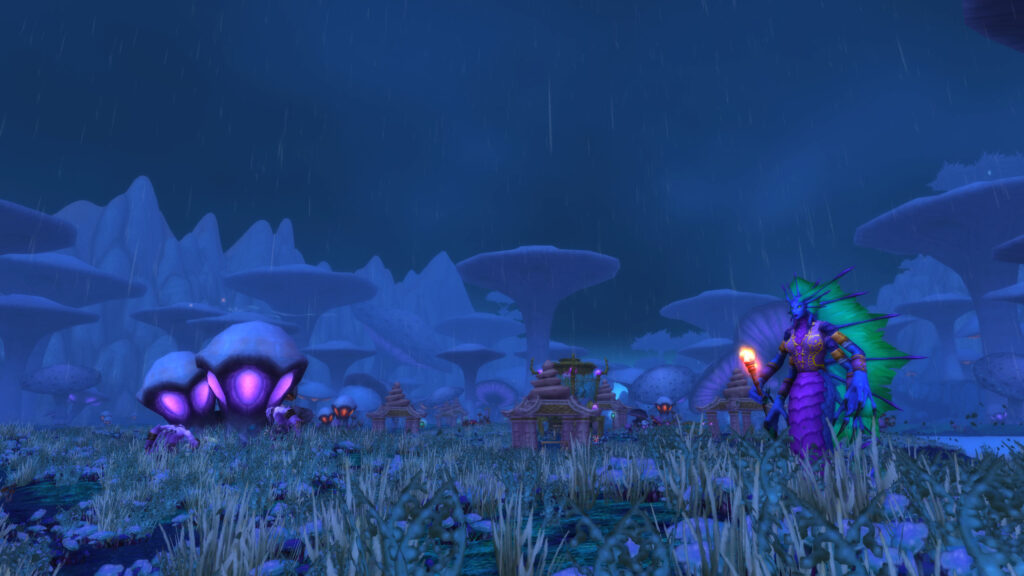
Creature designs draw from real-world mythology and biology. Dragons, elementals, and beasts follow internal ecological logic. The world feels alive because ecosystems interconnect meaningfully.
Creature Categories
- Beasts: Natural animals following biological rules
- Dragonkin: Dragon-related creatures with magical abilities
- Elementals: Living manifestations of elemental forces
- Undead: Unnatural creatures defying death
- Aberrations: Alien creatures from beyond Azeroth
- Humanoids: Intelligent species with civilizations
Zone Ecosystems
| Zone | Climate | Signature Creatures | Ecological Role |
|---|---|---|---|
| Un’Goro Crater | Tropical | Dinosaurs | Primal ecosystem |
| Winterspring | Arctic | Frostsabers | Apex predators |
| Stranglethorn | Jungle | Tigers, Raptors | Dense food web |
| Desolace | Desert | Scorpids, Hyenas | Scavenger ecosystem |
| Deepholm | Elemental | Earth elementals | Elemental plane |
Design Philosophy

Creature placement follows ecological logic rather than random distribution. Predators hunt prey, scavengers clean remains, herbivores graze peacefully. This logic makes Azeroth feel authentic.
Expansion designers study real-world ecology for inspiration. Dragon Isles drew from volcanic island ecosystems. Shadowlands explored afterlife ecosystem concepts. Reality informs fantasy design continuously.